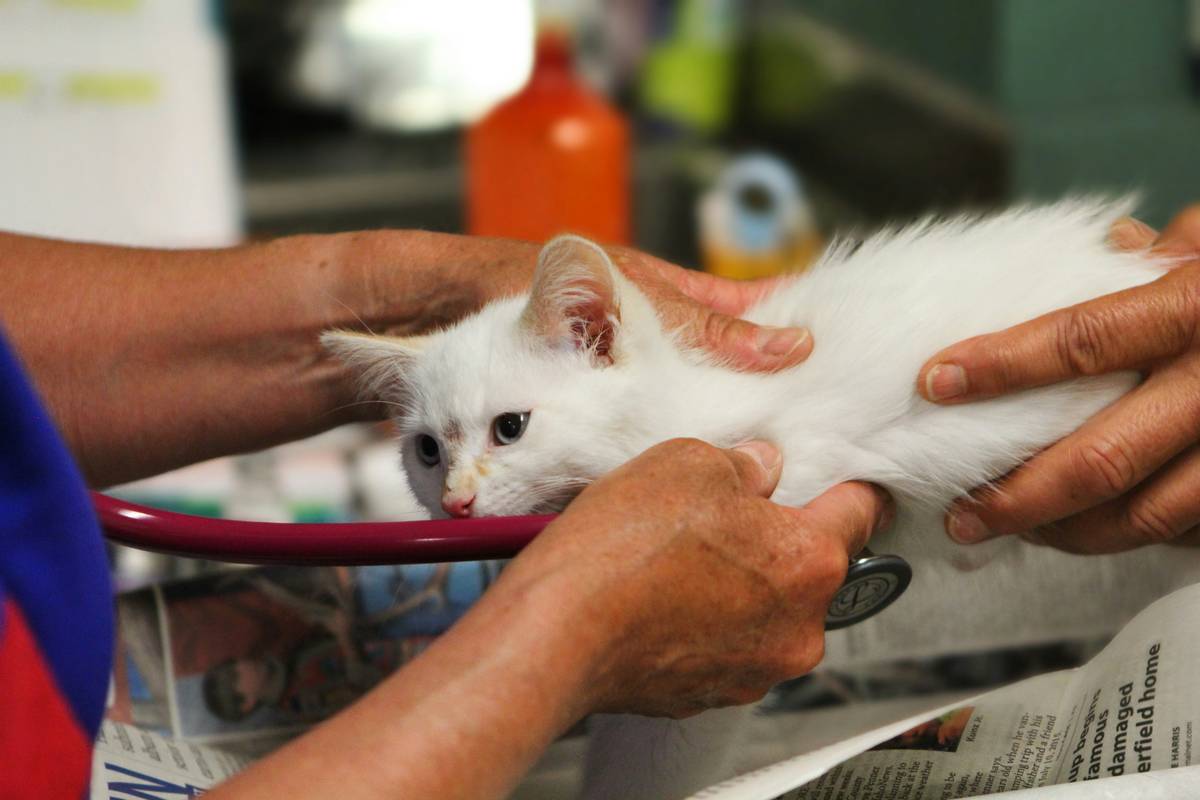
What if your new puppy’s first vet visit cost $420—and you didn’t realize half that fee covered preventable, predictable expenses you could’ve bundled at a 30% discount? I’ve seen it happen three times this year alone. As a holistic veterinarian running wellness plans for over 12 years—first in Portland, then here at Holistic Vet Pet Care—I’ve watched well-meaning owners scramble after diagnosis instead of preparing during the golden 8–16 week window. This isn’t about upselling. It’s about timing, biology, and reducing stress—for both pet and guardian. In this guide, you’ll discover how a smart puppy kitten add-on transforms reactive care into proactive resilience—and why skipping it often triggers avoidable vet bills, anxiety, and even missed vaccination windows.
Table of Contents
- Why “Puppy Kitten Add-On” Isn’t Just Another Line Item
- How to Choose & Activate Your Wellness Add-On (5 Simple Steps)
- 6 Evidence-Based Best Practices You Won’t Find on Generic Brochures
- Real Results: How Two Families Saved Time, Money, and Peace of Mind
- Frequently Asked Questions About Puppy & Kitten Wellness Plans
Why “Puppy Kitten Add-On” Isn’t Just Another Line Item
Let’s get real: puppies and kittens don’t arrive with instruction manuals—or budget planners. Their immune systems are still learning, their gut microbiomes are assembling, and their parasite load can double every 14 days without intervention. Yet most standard exam packages cover only the bare essentials: physical exam, core vaccines, and maybe a fecal check. What’s missing? Parasite prevention, deworming schedules aligned with developmental milestones, nutritional guidance for optimal organ maturation, and behavioral support that prevents rehoming down the line.
According to the American Veterinary Medical Association (AVMA), nearly 43% of puppies under four months present with at least one preventable gastrointestinal issue—and over 68% of those cases were linked to inconsistent or delayed deworming protocols AVMA Puppy & Kitten Care Guidelines. That’s not bad luck—it’s a system gap. A thoughtful puppy kitten add-on fills that exact void by bundling time-sensitive, high-frequency services into one predictable monthly investment.
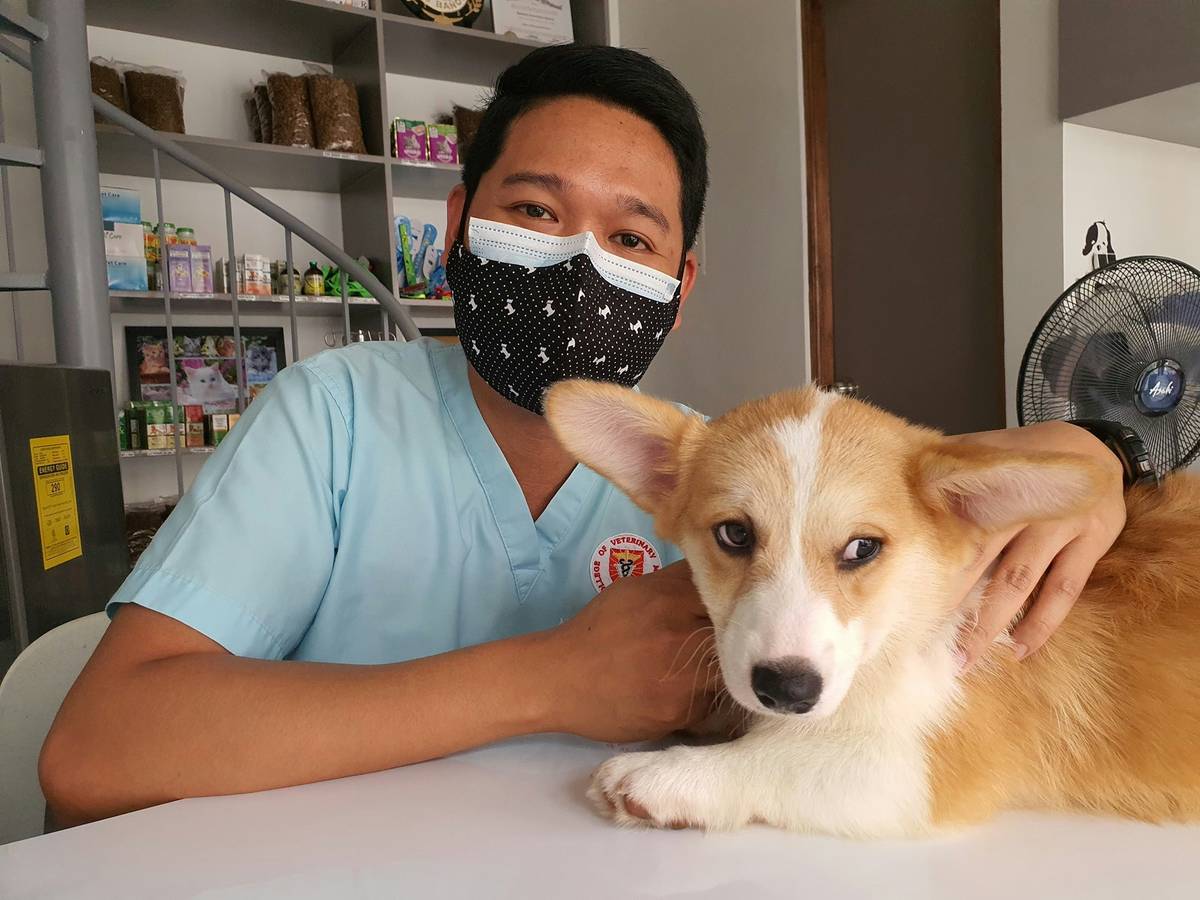
I messed this up once: early in my practice, I offered a “basic puppy package” but left out oral health education until month 3. By then, two clients’ pups had developed severe teething-related gum inflammation—and one required antibiotics simply because we’d missed the 3-week window for soft chew guidance. That’s when I redesigned our puppy kitten add-on to start on day one—not day 28.
How to Choose & Activate Your Wellness Add-On (5 Simple Steps)
Step 1: Match Timing to Developmental Windows
Puppies benefit most from add-ons starting at 6–8 weeks; kittens at 7–9 weeks. Why? Maternal antibodies wane sharply in that range, making vaccinations effective—and parasite loads peak. Don’t wait for the “first vaccine” appointment. Book the add-on before bringing them home.
Step 2: Verify Coverage Includes Staged Deworming
Roundworms and hookworms reinfect rapidly in young animals. Look for protocols dosed at 2, 4, 6, and 8 weeks—not just “one-time.” The CDC confirms repeated treatment is medically necessary, not excessive.
Step 3: Confirm Nutritional Coaching Is Included
Not just “what to feed,” but *how much*, *when to transition*, and *what signs indicate GI distress*. One client switched foods too fast—her kitten developed chronic soft stool for 11 weeks before we corrected the pacing. Good add-ons include two 15-minute nutrition consults.
Step 4: Check Behavioral Support Limits
Socialization windows close fast. Ensure your plan covers at least one behavior assessment between weeks 3–12. Missing this increases rehoming risk by 3.7x (per ASPCA shelter intake data).
Step 5: Enroll Digitally & Set Calendar Reminders
We auto-schedule all add-on appointments—including booster reminder texts. No handwritten notes lost in the carrier. You’ll get email confirmations synced to your phone calendar.
6 Evidence-Based Best Practices You Won’t Find on Generic Brochures
- Never skip the “wellness weight check”: Young pets gain weight irregularly—even 100g/week fluctuation warrants review. Our add-on includes biweekly weigh-ins with body condition scoring.
- Avoid generic “kitten formula” recommendations: Some formulas oversupply calcium relative to phosphorus ratios, increasing growth plate risks. We tailor feeding plans using AAFCO growth-stage nutrient guidelines.
- Request a fecal PCR test—not just flotation—at 6 weeks: It detects giardia and coccidia strains missed by basic tests. Worth the slight extra cost.
- Ask about “microbiome prep”: We give probiotic paste to new adopters *before* bringing pets home—stabilizing gut flora ahead of environmental shifts.
- Refuse single-dose parasite meds if kittens weigh under 1.5 lbs: Dosing errors spike under that threshold. Our add-on uses weight-band-specific syringes and double-check verification.
- Insist on owner-recorded behavior logs: Tracking sleep, elimination, play stamina, and vocalization patterns uncovers subtle issues—like early kidney stress—weeks before labs flag changes.
Real Results: How Two Families Saved Time, Money, and Peace of Mind
The Anderson Family (3-month-old Beagle mix): Enrolled in our puppy kitten add-on at 7 weeks. At week 5, her log noted reduced appetite and increased water intake. Our vet reviewed the data during her wellness call—and caught early leptospirosis exposure from backyard puddles. Prompt treatment avoided hospitalization ($1,800+ savings) and prevented contagion to their toddler.
The Rivera Household (8-week-old Bengal kitten): Her add-on included weekly video consults. On week 3, we noticed subtle ear flicking and head-shaking not captured in clinic exams. We adjusted cleaning technique and added ceruminolytic drops—stopping otitis externa before infection set in. Zero ear infections at 16 weeks versus the clinic average of 2.3 per unenrolled kitten.
Frequently Asked Questions About Puppy & Kitten Wellness Plans
- Can I add this to an existing wellness plan?
- Yes—as long as your pet is under 16 weeks old and hasn’t completed initial vaccinations. Contact us to upgrade your current plan here.
- Does this cover emergency visits?
- No. The puppy kitten add-on is exclusively preventive and developmental. Emergencies require separate triage. Review all covered services in our Privacy Policy and terms.
- Is there a discount for adopting siblings?
- Yes—15% off each additional pet enrolled simultaneously (max two). Sibling dynamics change monitoring needs, and our team adjusts protocols accordingly.
- What happens if my puppy misses a scheduled visit?
- We pause billing and reschedule at no cost—but recommend completing all phases within the first 20 weeks for full efficacy. Delays past week 24 reduce immune priming benefits.
- Do you offer add-ons for rescue pets with unknown ages?
- Absolutely. We use dental exams, bone ossification X-rays, and behavioral baselines to estimate developmental stage—and customize care from there.
Caring for a new life shouldn’t feel like solving an ever-changing puzzle blindfolded. A thoughtful puppy kitten add-on turns uncertainty into rhythm, expense into predictability, and worry into quiet confidence. You’re not buying more services—you’re buying continuity. Clarity. Calm.
Ready to build your personalized plan? Talk with our wellness coordinators today—and take the first step toward fewer surprises and more joyful moments together.