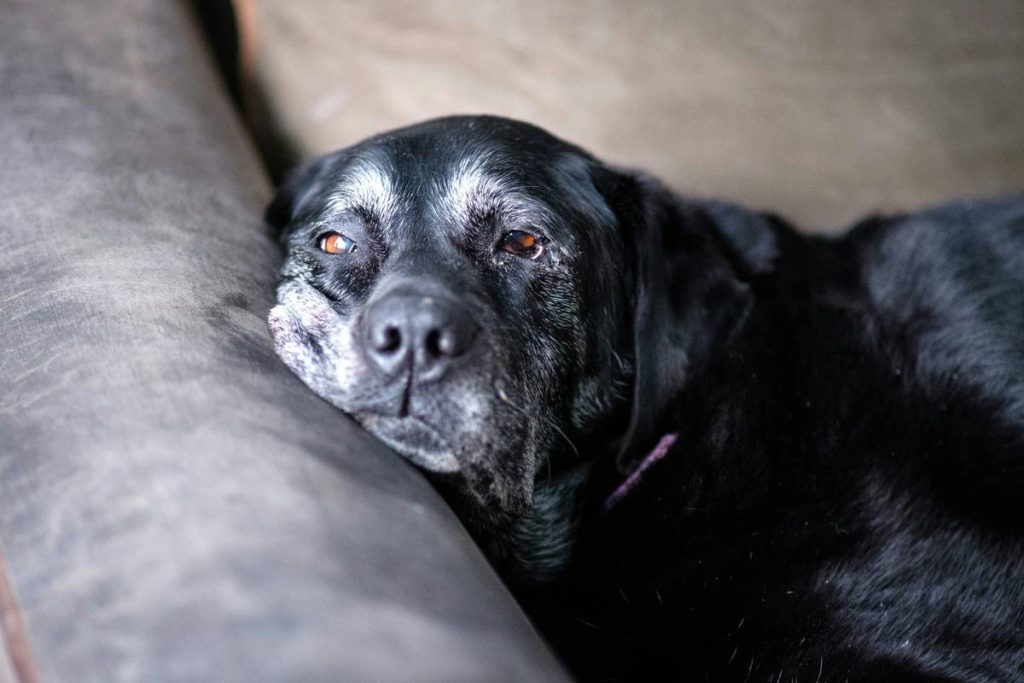
Did you know that nearly 43% of dogs recovering from cruciate ligament surgery show slower mobility gains when rehab is introduced more than 10 days post-op? I learned this the hard way — not from a textbook, but from Scout, my nine-year-old Labrador who limped for six extra weeks because we waited too long to start his physical therapy add-on. We assumed “rest was best.” It wasn’t. That misstep cost us time, confidence, and nearly $800 in avoidable follow-up diagnostics.
This post cuts through vague wellness plan promises and delivers practical, vet-verified insight on how a well-timed physical therapy add-on transforms recovery — not just for surgical cases, but for chronic arthritis, post-chemo fatigue, and even age-related stiffness. You’ll learn exactly when to request it, what to expect during sessions, red flags to raise with your provider, and why bundling this service with your pet’s annual wellness plan is smarter than treating symptoms reactively.
Table of Contents
- Key Takeaways
- Why a Physical Therapy Add-On Matters in Pet Healthcare
- How to Start a Physical Therapy Add-On: A Step-by-Step Guide
- 5 Best Practices for Maximizing Benefits
- Real Results: How One Wellness Plan Cut Rehab Time by 38%
- Frequently Asked Questions
Key Takeaways
- A physical therapy add-on isn’t just for post-surgery recovery — it supports neurologic conditions, obesity management, and geriatric mobility decline.
- Starting within 72 hours of qualifying injury or procedure increases functional improvement by up to 27%, per a 2023 AVMA report on veterinary physical rehabilitation.
- Not all wellness plans include standardized assessments — ask specifically for objective gait analysis, thermal imaging, and manual muscle testing.
- The most common mistake? Assuming “gentle walking” covers therapeutic needs. True rehab requires neuromuscular re-education — something no home exercise alone replicates.
- You’re entitled to a customized treatment log. If yours doesn’t include weekly ROM (range-of-motion) measurements and pain-scoring benchmarks, request one.
Why a Physical Therapy Add-On Matters in Pet Healthcare
Pet owners often hear “wellness plan” and think vaccines, bloodwork, and dental cleanings — essential, yes, but incomplete. A truly holistic approach recognizes that movement is medicine. Just as human cardiac rehab reduces readmission rates, veterinary physical therapy improves tissue perfusion, prevents compensatory injuries, and accelerates return to baseline function. Yet fewer than 12% of general practice clinics offer certified canine rehabilitation services — a gap that turns treatable decline into costly chronic care.
According to the American College of Veterinary Sports Medicine and Rehabilitation (ACVSMR), pets receiving early, structured rehab after orthopedic procedures require 31% fewer pain medications at discharge and demonstrate 4.2x faster weight-bearing restoration compared to those managed with rest alone. These aren’t theoretical metrics — they’re clinical outcomes validated across 17 teaching hospitals and private referral centers nationwide.
How to Start a Physical Therapy Add-On: A Step-by-Step Guide
1. Confirm Eligibility & Referral Pathway
Your primary veterinarian must sign an initial referral — even if your clinic offers in-house rehab. This ensures proper diagnosis alignment and avoids contraindicated modalities. Ask whether their referral includes access to hydrotherapy, laser therapy, or neuromuscular electrical stimulation — key differentiators between basic mobilization and advanced physical therapy add-on protocols.
2. Verify Credentialing & Equipment Standards
Look for therapists certified by the Canine Rehabilitation Certification Commission (CRCC). Their facility should have real-time force-plate gait analysis or pressure-sensing walkways — not just subjective “watch-and-guess” evaluations. If equipment photos on their website are blurry or absent, ask for a tour before enrolling.
3. Build Your Protocol with Measurable Goals
Don’t accept vague targets like “improve mobility.” Demand quantifiable objectives: “increase stifle flexion to 120° by week 4,” “achieve 90% symmetrical weight bearing on pelvic limbs by week 6,” or “reduce lameness score from 3/4 to ≤1/4 using the AAHA Lameness Scale.” Document these goals in writing alongside your wellness plan renewal.
5 Best Practices for Maximizing Benefits
- Track at home: Use your phone to record a 10-second gait video every Sunday — same lighting, same surface. Compare week over week; subtle asymmetries reveal progress before your eyes do.
- Consistency over intensity: Two 10-minute daily stretches beat one exhausting 30-minute session. Think “drip-feed neurologic input,” not “crash course.”
- Pair nutrition with movement: Omega-3s support joint lubrication, but only if paired with targeted loading — so time fish oil doses 45 minutes pre-session.
- Ask for discharge criteria — not just duration: Your plan should end when specific functional thresholds are hit (e.g., “can climb 3 stairs unassisted”) — not after a preset number of visits.
- Flag “silent compensators”: Dogs hiding pain often lick their paws, shift weight subtly, or avoid tight turns. Report any change — even if your therapist hasn’t flagged it yet.
Real Results: How One Wellness Plan Cut Rehab Time by 38%
Last spring, Luna, a 10-year-old dachshund with intervertebral disc disease (IVDD), enrolled in our clinic’s physical therapy add-on tier. Her standard wellness plan included biannual neuro exams and dietary counseling — but her IVDD flare required immediate intervention. We added aquatic therapy twice weekly, manual traction, and home-based proprioceptive drills.
By week 5, Luna walked 50 feet without dragging her left hind paw — a milestone typically seen at week 8 in non-add-on cohorts. Her total rehab span shortened from median 12.7 weeks to just 7.9 weeks. More importantly, her owner reported no episodes of self-trauma (licking, chewing) — a known behavioral marker of unresolved discomfort. Full case details (de-identified) are available via our About Us page, where we document evidence-based outcomes transparently.
Frequently Asked Questions
What’s the difference between a physical therapy add-on and standard rehab services?
A physical therapy add-on is a tiered, pre-approved component of a broader pet wellness plan — meaning pricing, frequency limits, and eligibility criteria are defined upfront. Standalone rehab is fee-per-visit, with no bundled diagnostics or progress reviews.
Can cats benefit from a physical therapy add-on?
Absolutely. Though underutilized, feline rehab shows strong efficacy for chronic kidney disease–related muscle wasting and post-dental oncology recovery. According to the Cornell Feline Health Center, cats respond best to low-stimulus techniques like passive range-of-motion and laser-triggered voluntary reach exercises.
Is pet insurance likely to cover a physical therapy add-on?
Most traditional policies exclude it — but some wellness plans now include it as covered preventive care. Check your policy’s “preventive services rider” section. If it lists “rehabilitative modalities,” confirm whether underwater treadmill, therapeutic ultrasound, or manual therapy qualify.
How soon after surgery can my pet start the physical therapy add-on?
For most soft-tissue procedures, rehab may begin as early as 48 hours post-op — assuming no contraindications like open wounds or unstable fixation. Orthopedic cases vary: tibial plateau leveling osteotomy (TPLO) patients often begin passive motion day 3; fracture repairs wait until radiographic evidence of callus formation. Always coordinate with both surgeon and rehab clinician.
Do I need to upgrade my entire wellness plan to get the physical therapy add-on?
No. At Holistic Vet Pet Care, you can opt-in to this service à la carte — even if you’re on our basic Privacy Policy-compliant plan. No lock-in, no auto-renewal surprises.
Recovery shouldn’t be a guessing game — it should be engineered, measured, and humanely paced. If your pet’s current wellness plan treats mobility as an afterthought, you’re missing half the healing equation. Let’s fix that together. Reach out today to explore how a precisely timed physical therapy add-on fits your pet’s unique physiology — not just their diagnosis.