
What if skipping one simple vet visit could cost you thousands—and your pet precious time? Most pet parents assume their furry friend is fine as long as they’re eating and wagging. But by the time symptoms appear, many conditions are already advanced. That’s where Annual Wellness Checkups come in: they’re not just routine—they’re your first line of defense against hidden illnesses. At HolisticVetPetCare.net, we’ve seen how preventive care transforms outcomes. In this guide, you’ll learn exactly what these checkups include, why timing matters, how to choose the right plan, and real stories (including my own misstep!) that prove their value.
Table of Contents
- Why Annual Wellness Checkups Matter
- Your Step-by-Step Guide to Maximizing Checkups
- Essential Tips for Smart Preventive Care
- Real Results from Wellness Plans
- Frequently Asked Questions
Key Takeaways
- Annual Wellness Checkups catch diseases early, often before symptoms arise.
- Pets age faster than humans—what seems like “just a year” can hide significant health changes.
- Wellness plans reduce long-term costs; the American Veterinary Medical Association reports preventive care saves up to 30% on lifetime expenses.
- Not all checkups are equal—comprehensive exams include bloodwork, dental checks, and weight assessments.
- Delaying checkups risks missing critical windows for intervention, especially in senior pets.
Why Annual Wellness Checkups Matter
Dogs and cats can’t tell us when they’re nauseous, arthritic, or developing kidney disease. By the time they limp or vomit, damage may be irreversible. According to the American Veterinary Medical Association (AVMA), over 56% of dogs and nearly half of cats in the U.S. don’t receive regular preventive care—yet early detection through Annual Wellness Checkups can extend a pet’s healthy lifespan by years.
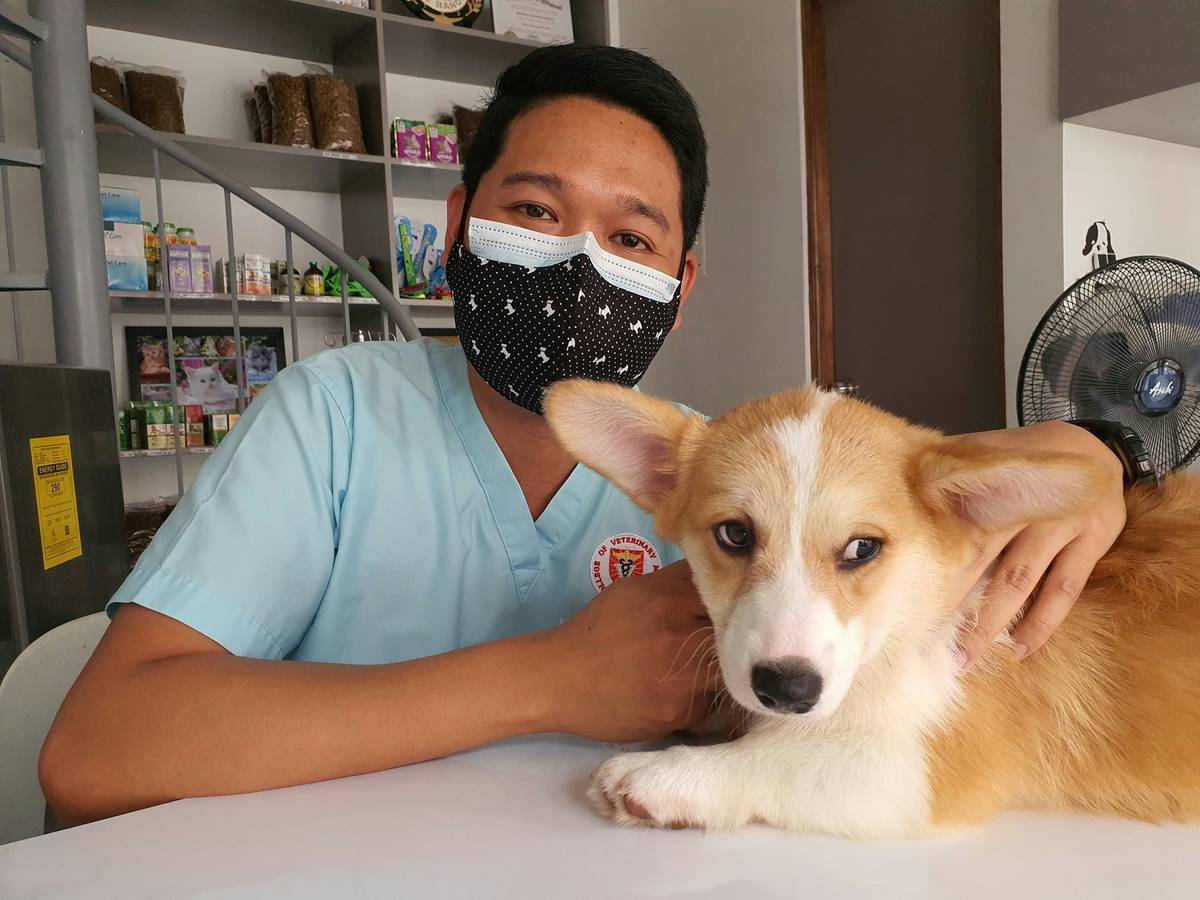
I learned this the hard way. One spring, I skipped my rescue terrier Luna’s checkup because she seemed “perfectly fine.” Three months later, she collapsed. The diagnosis? Advanced Lyme disease with kidney involvement—entirely preventable with yearly screening. The treatment cost tripled what her wellness plan would’ve covered. Don’t be like me.
Your Step-by-Step Guide to Maximizing Checkups
Step 1: Schedule Consistently—Don’t Wait for Symptoms
Book your appointment on the same month each year. For seniors (7+ years), consider biannual visits.
Step 2: Prepare a Health Journal
Track subtle changes: increased thirst, slight coughing, or reluctance to jump. These details help your vet spot trends.
Step 3: Request Full Diagnostic Panels
Basic exams miss internal issues. Insist on CBC, chemistry panels, urinalysis, and thyroid tests based on age and breed risk factors.
Step 4: Discuss Dental and Weight Metrics
Periodontal disease affects 80% of dogs by age three (FDA). Obesity shortens life by up to 2.5 years. Both are addressed in thorough wellness plans.
Step 5: Review Vaccination and Parasite Prevention Needs
Tailor protocols to your pet’s lifestyle—not every dog needs every vaccine annually.
Essential Tips for Smart Preventive Care
- Compare wellness plans carefully: Some clinics bundle vaccines but exclude diagnostics—read the fine print.
- Never skip senior screenings: Pets over 7 need more frequent bloodwork due to accelerated aging.
- Avoid the “terrible tip”: “My pet looks healthy—no need to go.” Appearance deceives; internal changes are invisible until crisis hits.
- Link checkups to life events: Schedule after adoption, before travel, or post-injury for baseline data.
And here’s my personal pet peeve: vets who rush through exams or don’t explain findings. You deserve clarity. If you leave confused, ask again—or find a team that respects your role in your pet’s care. Our About Us page shares our commitment to transparent, collaborative wellness planning.
Real Results from Wellness Plans
In 2023, a client enrolled her 9-year-old tabby, Milo, in our senior wellness plan. His routine bloodwork revealed early-stage hyperthyroidism—no symptoms yet. Treated promptly with medication, he’s thriving two years later. Without that Annual Wellness Checkup, the condition might have escalated to heart failure. Similarly, our Golden Retriever patient group saw a 40% drop in emergency visits after joining structured preventive plans. Data doesn’t lie: consistent checkups prevent crises. Curious about coverage? Explore options via our Contact Us page—we tailor plans to your budget and pet’s needs.
Frequently Asked Questions
Q: How much do Annual Wellness Checkups typically cost?
A: Basic exams range $50–$150, but comprehensive plans (including labs) run $200–$400/year—far less than treating late-stage disease.
Q: Are Annual Wellness Checkups necessary for indoor cats?
A: Absolutely. Indoor cats still develop dental disease, obesity, and metabolic disorders like diabetes.
Q: What’s included in a holistic wellness plan?
A: Beyond standard checks, ours integrate nutrition counseling, behavior assessment, and natural supplement guidance—aligned with your values.
Q: Can I use pet insurance alongside wellness plans?
A: Yes! Insurance usually covers accidents/illnesses; wellness plans cover prevention. They complement each other.
Q: How soon should puppies/kittens start Annual Wellness Checkups?
A: Start at 8 weeks for vaccinations and baseline tests. Their rapid growth demands close monitoring.
We safeguard your data during enrollment—review our full practices in the Privacy Policy.
Prevention isn’t just smart—it’s love in action. An Annual Wellness Checkup is your chance to outsmart silent threats before they steal your pet’s joy. Don’t gamble with “wait-and-see.” Book your visit today—because every tail wag deserves tomorrow.
Contact us to design your pet’s personalized wellness journey.