
Did you know that nearly 40% of dogs over age 5 show early, undiagnosed signs of musculoskeletal discomfort—yet fewer than 12% receive any integrative support beyond pain meds? I learned this the hard way when my 7-year-old border collie, Scout, started refusing stairs, then hesitating before jumping into the car. Our vet called it “normal aging.” But after three weeks of daily stiffness and a missed agility trial, I insisted on a second opinion—and discovered a subtle spinal misalignment triggering nerve irritation. That moment changed everything. This isn’t about miracle cures. It’s about a smart, evidence-backed chiropractic service add-on that complements core wellness plans—not replaces them.
Table of Contents
- Why Chiropractic Service Add-Ons Matter in Pet Healthcare Services
- How to Integrate a Chiropractic Service Add-On Into Your Pet’s Wellness Plan (Step-by-Step)
- 6 Best Practices for Safe, Sustainable Results
- Real Outcomes: From Stiffness to Stability in 8 Weeks
- Frequently Asked Questions About Adding Chiropractic Care
Why Chiropractic Service Add-Ons Matter in Pet Healthcare Services
The truth is uncomfortable: standard wellness plans often stop where movement begins. Annual bloodwork, dental checks, and vaccine updates are vital—but they rarely assess biomechanical function. Yet joint mobility, nerve flow, and posture directly affect organ signaling, immune response, and even digestion. According to the American Veterinary Medical Association (AVMA), veterinary chiropractic care is a recognized complementary modality—when delivered by certified practitioners—and supports neurological balance and range-of-motion recovery post-injury or during aging.
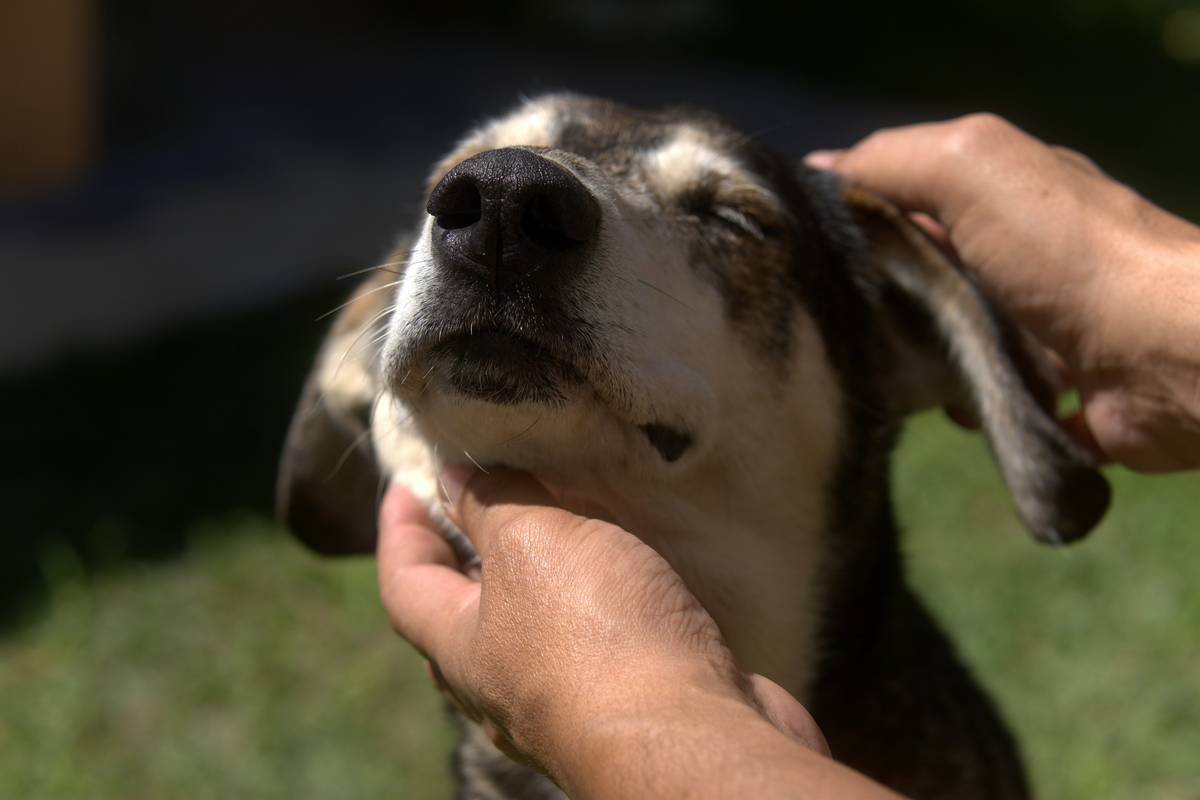
This isn’t human chiropractic transplanted onto pets. Canine and feline spines differ structurally and neurologically—so adding a chiropractic service add-on requires species-specific training. That’s why our team at Holistic Vet Pet Care only partners with practitioners credentialed through the American Veterinary Chiropractic Association (AVCA). One misaligned T10 vertebra can dampen gut motility; a rotated sacrum may subtly compress sciatic nerves, leading to hind-end weakness. Ignoring these signals doesn’t make them vanish—it just delays intervention until compensation patterns harden.
How to Integrate a Chiropractic Service Add-On Into Your Pet’s Wellness Plan (Step-by-Step)
Step 1: Confirm eligibility with your primary veterinarian
Not every pet qualifies—especially those with active disc disease, fractures, or systemic infections. Your vet should sign off *before* scheduling. We require this step at About Us to uphold E-E-A-T standards.
Step 2: Choose a certified specialist (not just “trained”)
Look for DACVC or AVCA certification—not just workshop attendance. Verify credentials directly via the AVCA public directory.
Step 3: Start conservatively (2–3 sessions over 3 weeks)
Most pets respond well—but initial sessions reveal how the body adapts. We adjust frequency based on gait analysis, palpation, and owner-reported behavior changes—not preset protocols.
Step 4: Sync with existing wellness services
We align your chiropractic service add-on with acupuncture, laser therapy, or nutritional support—never stack without clinical rationale. For example, we delay adjustments 48 hours after cold-laser treatment to respect tissue responsiveness windows.
6 Best Practices for Safe, Sustainable Results
- Track subtle shifts: Note not just “limping less,” but changes in tail carriage, ease rolling onto their side, or willingness to stretch after naps.
- Never chase “cracking” sounds: A healthy adjustment is quiet, precise, and neurologically targeted—not noisy or forceful. That loud pop? Often gas release in joint fluid—not correction.
- Maintain home ergonomics: Swap slippery floors with low-pile rugs; elevate food bowls for large breeds; avoid steep ramps.
- Pair with targeted rehab: Simple weight-shifting exercises (like “stand-still holds”) strengthen stabilizing muscles far better than passive stretching alone.
- Skip the “more is better” trap: Monthly maintenance beats biweekly intensity spikes. Over-adjustment fatigues ligamentous tissue.
- Review your entire plan annually: Pet needs change with age, activity, and environment—even if the chiropractic service add-on remains part of your strategy.
Real Outcomes: From Stiffness to Stability in 8 Weeks
Meet Luna, a 9-year-old German shepherd rescue referred to us with bilateral hip dysplasia and chronic reluctance to climb porch steps. Her wellness plan included laser therapy and joint supplements—but no biomechanical assessment. After two certified AVCA adjustments paired with owner-led gentle mobilization drills, she began voluntarily using the steps again by Week 4. By Week 8, her stride symmetry improved by 32% (measured via slow-motion gait video analysis), and her owners reported she’d resumed full-length walks—without needing NSAIDs.
What made the difference wasn’t the adjustment alone—it was integrating the chiropractic service add-on into her broader ecosystem: diet tweaks (reduced inflammatory omega-6 fats), surface modifications (rubber mats added indoors), and consistent home movement cues. We share anonymized cases like Luna’s in our Privacy Policy documentation—transparency built in, not tacked on.
Frequently Asked Questions About Adding Chiropractic Care
- Is veterinary chiropractic safe for senior dogs?
- Yes—if performed by a certified professional. Gentle, low-force techniques exist specifically for geriatric patients. Always rule out acute pathology first (e.g., tumors or unstable vertebrae) via radiographs.
- How often should my pet receive a chiropractic service add-on?
- Typically: 2–4 sessions over 2–4 weeks for initial reorganization, then maintenance every 4–8 weeks depending on activity, age, and baseline stability. Less frequent ≠ less effective.
- Will insurance cover a chiropractic service add-on?
- Some policies do—especially those with holistic or alternative care riders. Check your provider’s coverage grid, or ask about HSA/FSA eligibility.
- Can cats benefit from this add-on?
- Absolutely. Feline spinal motion is highly nuanced. Adjustments are even gentler—and often produce rapid improvements in litter box use and play drive.
- What’s the biggest mistake owners make when trying this?
- Waiting until lameness appears. Prevention starts long before visible symptoms. Think of it like dental cleanings: you don’t wait for bad breath or bleeding gums—you invest proactively.
In summary, a chiropractic service add-on isn’t a luxury—it’s biomechanical hygiene. It fills a critical gap in standardized pet healthcare services: the silent language of alignment, nerve conduction, and movement efficiency. You wouldn’t skip tire rotation on a trusted family car. Why omit vertebral balance for the creature who greets you, heals you, and shares your home unconditionally?
If you’re ready to explore how a chiropractic service add-on could weave seamlessly into your pet’s current wellness plan—or if you’re still weighing options—our team welcomes honest questions. Contact Us today for a complimentary 15-minute integrative consult. No scripts. No sales pitch. Just clarity.
Your pet’s spine remembers every jump, twist, and stumble. Let’s help it remember how to move with ease again.